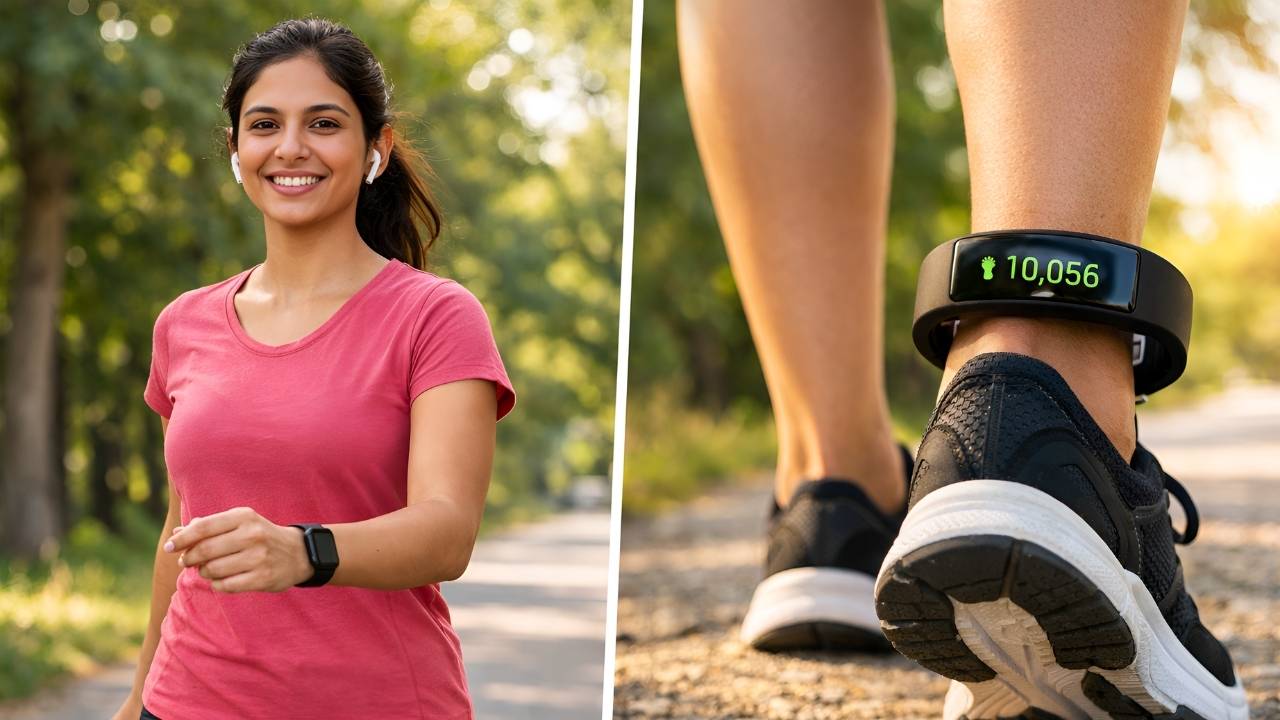
Walking 10,000 Steps Daily: Walking is one of the simplest yet most effective forms of exercise. Committing to 10,000 steps daily for 30 days is not just about hitting a number but about building consistency. This routine creates a rhythm that gradually transforms both body and mind. The act of walking regularly becomes a lifestyle shift rather than a temporary challenge.
Boosting Physical Health
Walking 10,000 steps daily improves cardiovascular health by strengthening the heart and enhancing circulation. Over 30 days, many people notice reduced blood pressure and improved stamina. Muscles in the legs, hips, and core become stronger, while joints benefit from gentle movement that keeps them flexible. The cumulative effect is a body that feels lighter, stronger, and more resilient.

Supporting Weight Management
For those aiming to manage weight, walking is a powerful ally. Ten thousand steps can burn a significant number of calories depending on pace and body type. Over 30 days, this consistent calorie burn contributes to gradual fat loss and improved metabolism. Unlike intense workouts, walking is sustainable, making it easier to maintain long-term results.
Enhancing Mental Wellbeing
Walking daily is not only physical but also deeply mental. It reduces stress, clears the mind, and boosts mood through the release of endorphins. After 30 days, many people report feeling calmer, more focused, and more positive. The simple act of moving outdoors, breathing fresh air, and observing surroundings creates a natural form of mindfulness.

Improving Sleep Quality
Regular walking helps regulate sleep patterns. By the end of 30 days, individuals often notice deeper, more restful sleep. Physical activity balances energy levels, while reduced stress makes it easier to fall asleep. Better sleep in turn enhances energy during the day, creating a positive cycle of health.
Strengthening Immunity
Walking supports the immune system by improving circulation and reducing inflammation. Over 30 days, the body becomes more efficient at fighting off minor illnesses. Combined with proper hydration and nutrition, daily walking builds a stronger defense against seasonal colds and fatigue.

Building Discipline and Routine
Committing to 10,000 steps daily requires planning and discipline. By the end of 30 days, walking becomes a habit integrated into daily life. This discipline often spills into other areas, encouraging healthier eating, better time management, and a more active lifestyle overall.
Social and Emotional Benefits
Walking can be a social activity when shared with friends or family. Over 30 days, these shared walks strengthen bonds and create meaningful conversations. Even solo walks provide emotional benefits, offering time for reflection and self-connection. The sense of accomplishment from completing the challenge boosts confidence and self-esteem.

Visible Changes in 30 Days
By the end of the month, many notice tangible changes. Clothes may fit better, energy levels rise, and posture improves. Skin often looks healthier due to improved circulation. These visible results reinforce motivation, making it easier to continue beyond the initial 30 days.
A Sustainable Lifestyle Choice
Walking 10,000 steps daily is not a quick fix but a sustainable lifestyle choice. It requires no equipment, no gym membership, and can be done anywhere. After 30 days, the benefits are clear, and the habit often continues naturally. It is a reminder that small, consistent actions lead to lasting transformation.