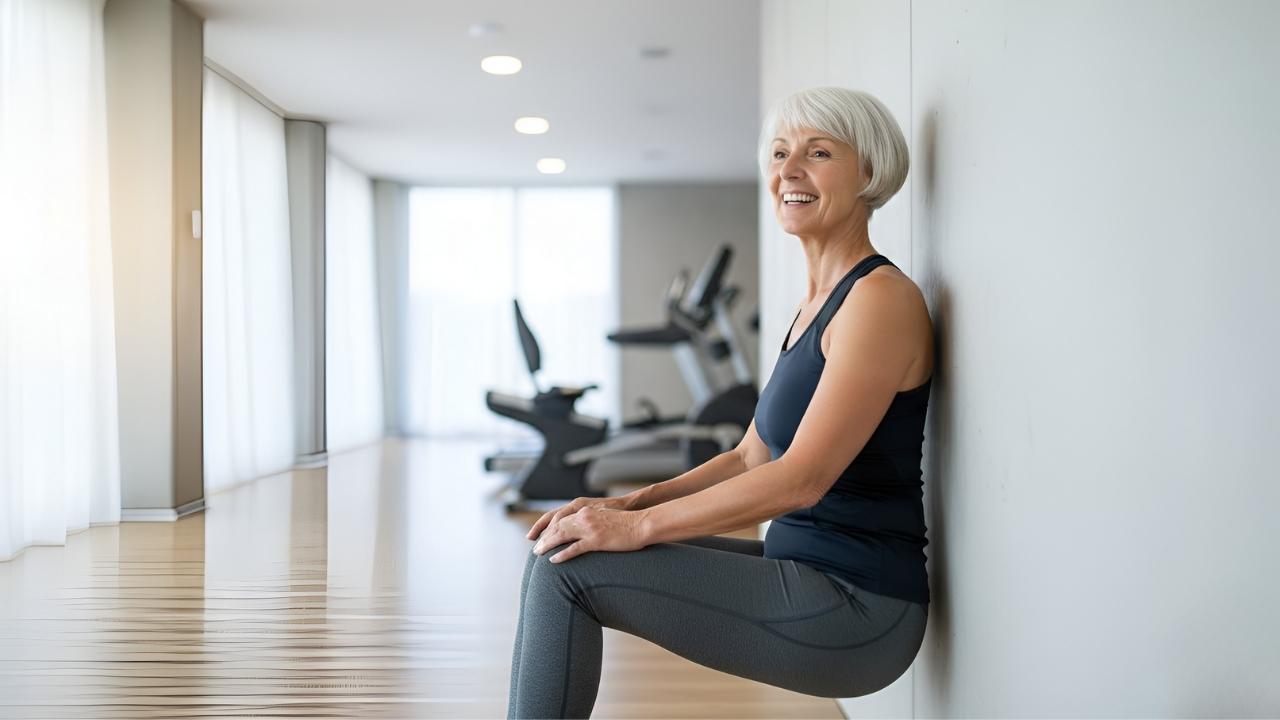
The One Core Exercise Adults Over 65 Should Do Daily: As the body ages, maintaining strength in the core muscles becomes more important than ever. The core is not just about the stomach area. It includes the muscles of the abdomen, lower back, hips, and pelvis. These muscles stabilize the spine, support posture, and allow safe movement. For adults over 65, a strong core helps prevent falls, reduces back pain, and makes everyday activities like walking, bending, and standing much easier.
The Recommended Exercise: The Wall Plank
Certified trainers often highlight the wall plank as the single most effective daily core exercise for older adults. Unlike traditional floor planks, which can be difficult or unsafe for seniors, the wall plank is performed standing. It engages the same muscles but removes the strain on wrists, shoulders, and knees. This makes it accessible, safe, and practical for daily practice.

How to Perform the Wall Plank
- Stand facing a wall with your feet hip-width apart.
- Place your forearms flat against the wall, elbows bent at 90 degrees.
- Step back slightly so your body forms a straight line from head to heels.
- Tighten your abdominal muscles and keep your back straight.
- Hold the position for 20 to 30 seconds, breathing steadily.
- Rest and repeat two to three times.
Benefits of the Wall Plank
- Strengthens deep abdominal muscles that stabilize the spine.
- Improves posture by aligning shoulders and hips.
- Enhances balance, lowering the risk of falls.
- Builds endurance without stressing joints.
- Can be done anywhere without equipment.
Why Trainers Recommend This Exercise
Many traditional core exercises, such as sit-ups or crunches, can strain the neck and lower back. Floor planks may be too challenging for those with limited mobility. The wall plank avoids these issues while still activating the core muscles effectively. Trainers emphasize that it is safe, adaptable, and suitable for nearly all fitness levels.
Tips for Success
- Keep breathing steadily while holding the plank.
- Avoid arching your back or letting your hips sag.
- Start with shorter holds and gradually increase time.
- Perform the exercise once daily to build consistency.
- Pair with gentle stretches to keep muscles flexible.
Variations for Added Challenge
Once the basic wall plank feels comfortable, small variations can increase intensity.

- Lift one heel slightly off the ground while holding the plank.
- Press into the wall with alternating forearms for dynamic engagement.
- Step farther back to make the exercise more challenging.
Safety Considerations
Always listen to your body. If you feel pain or dizziness, stop immediately. Those with medical conditions should consult a healthcare provider before starting new exercises. The wall plank is generally safe, but modifications may be needed depending on individual health.
Building a Daily Routine
The wall plank takes less than a minute and can be done in any room with a wall. Consistency is key. Over time, this small habit can lead to noticeable improvements in strength, balance, and confidence. Making it part of a morning or evening routine ensures it becomes second nature.

The Bigger Picture
Core strength is not just about fitness. It is about independence, mobility, and quality of life. By practicing the wall plank daily, adults over 65 can maintain stability, reduce fall risks, and continue enjoying everyday activities with ease. This simple exercise is a powerful tool for aging gracefully and staying active.